Tips for First-Time Kilimanjaro Climbers are essential for anyone planning to conquer Africa’s highest peak. From choosing the right route and proper acclimatization to packing the correct gear and preparing mentally for summit night, these expert insights will help you increase your summit success rate and enjoy a safe, unforgettable Mount Kilimanjaro adventure.
Climbing Mount Kilimanjaro is one of the most rewarding adventure experiences in Africa. As the highest mountain in Africa and the tallest free-standing mountain in the world, Kilimanjaro attracts thousands of first-time climbers every year. While no technical climbing skills are required, proper preparation is essential for a successful and safe summit.
At Nyayo Tours and Safaris, we specialize in professionally guided Kilimanjaro trekking tours designed to maximize your safety, comfort, and summit success rate. Below are essential tips every first-time Kilimanjaro climber should know before embarking on this unforgettable journey.
Choosing the Right Kilimanjaro Route
Selecting the right route is one of the most important decisions you will make. Mount Kilimanjaro offers several established routes, each varying in scenery, difficulty level, and acclimatization profile.
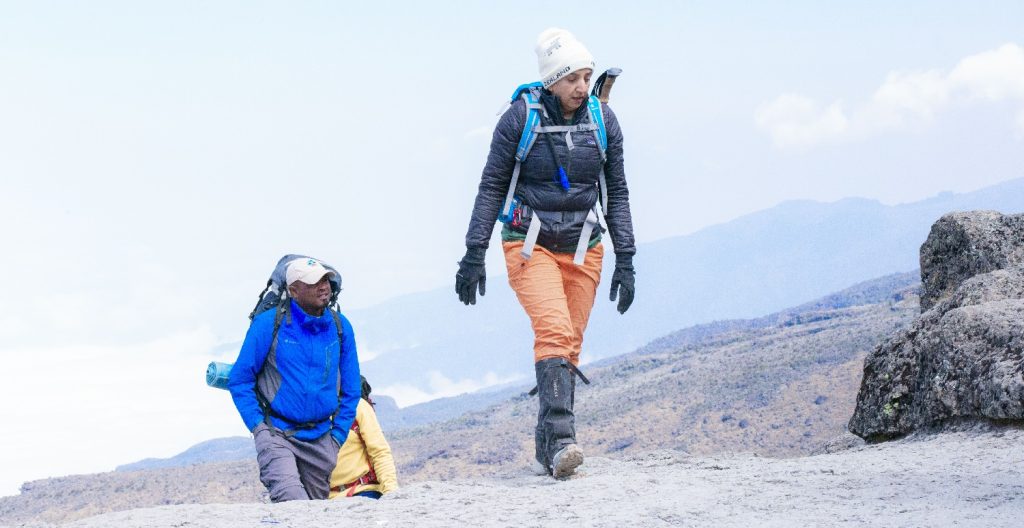
For beginners, the Machame Route (6–7 days) and the Lemosho Route (7–8 days) are highly recommended. These routes provide a gradual ascent profile, better acclimatization opportunities, and spectacular scenic diversity—from rainforest to alpine desert. Longer itineraries significantly improve your chances of reaching Uhuru Peak successfully.
Shorter routes such as Marangu may seem appealing due to fewer days, but rapid ascent often results in lower summit success rates. At Nyayo Tours and Safaris, we prioritize routes that give climbers the best balance between adventure and safety.
Prioritizing Proper Acclimatization
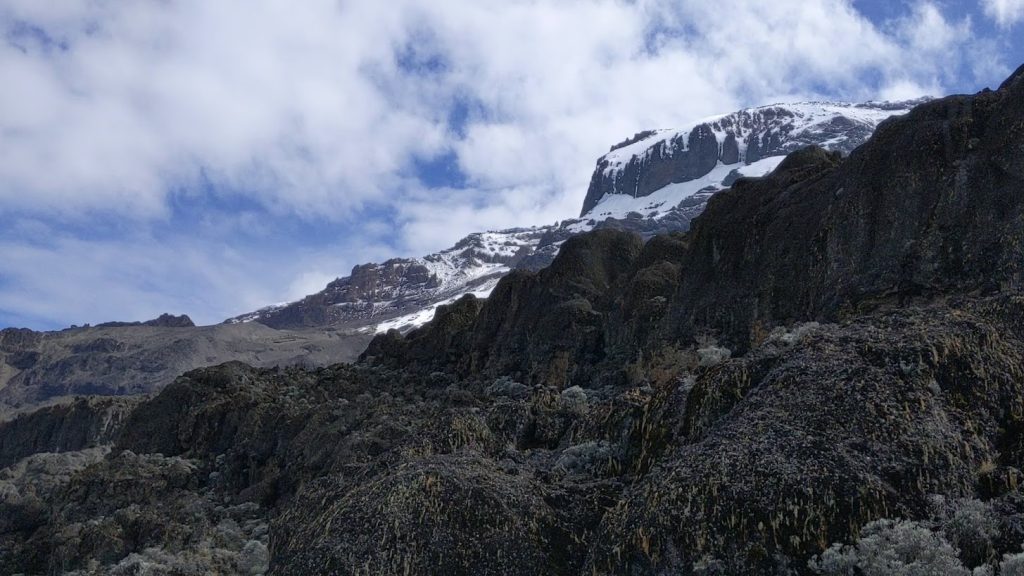
Altitude sickness is the primary challenge when climbing Mount Kilimanjaro. Since the summit reaches 5,895 meters (19,341 feet), your body needs time to adapt to lower oxygen levels.
We strongly recommend choosing a 7–9 day itinerary to allow proper acclimatization. The “climb high, sleep low” strategy—where you ascend to a higher altitude during the day and descend slightly to sleep—helps your body adjust more effectively.
On Kilimanjaro, guides often say “Pole pole,” meaning “slowly, slowly.” This is not just a phrase—it is a proven strategy for success. Walking at a steady, slow pace conserves energy and allows your body to adapt naturally.
Training Before Your Kilimanjaro Trek
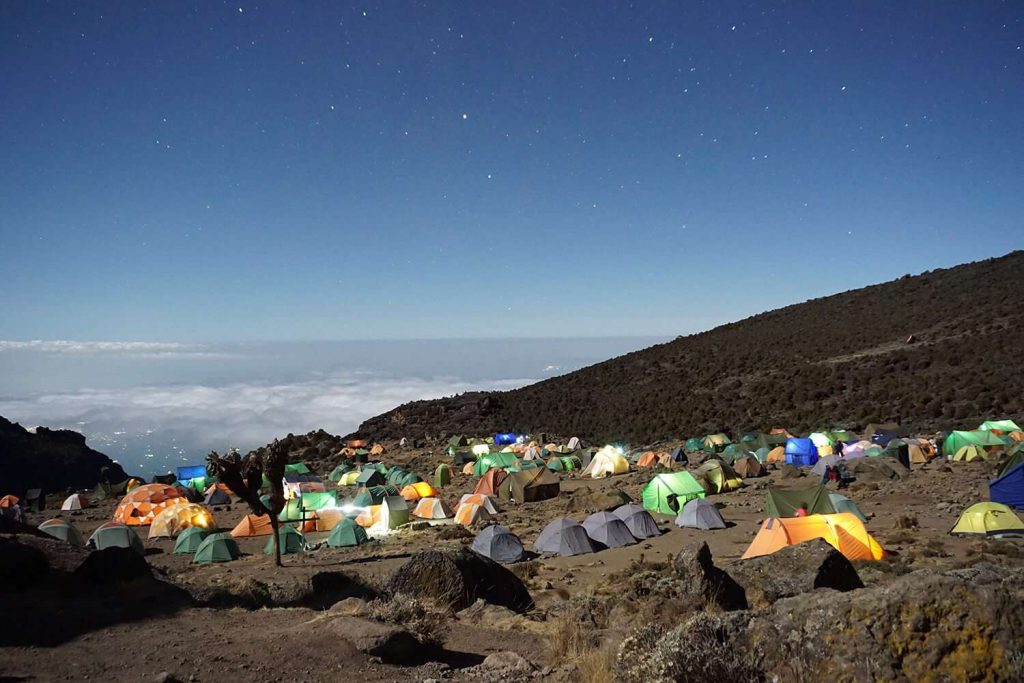
Although Kilimanjaro is a non-technical climb, it is still physically demanding. Preparing your body at least two to three months before your trek will significantly increase your endurance and comfort.
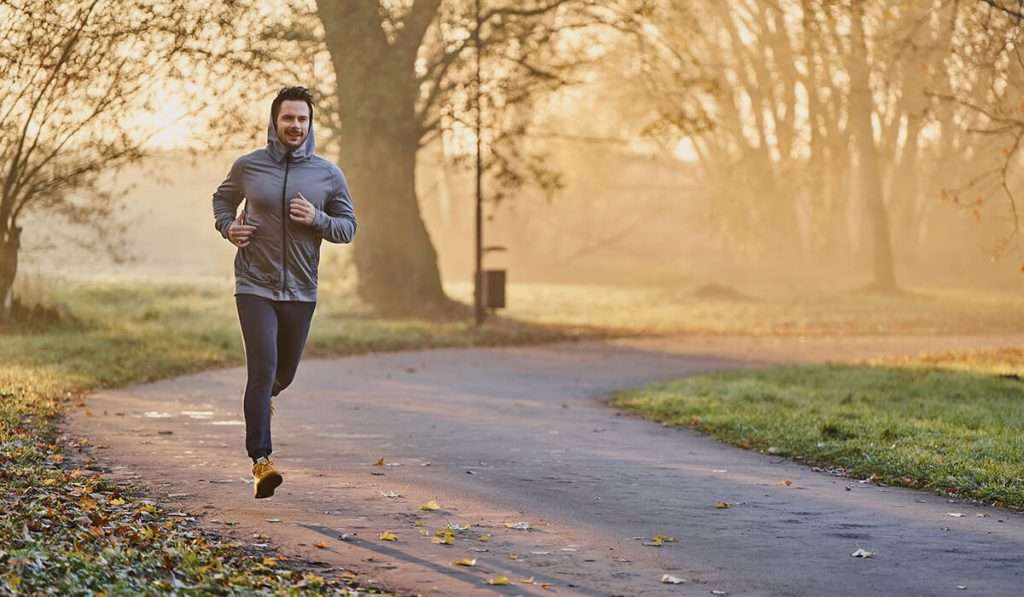
Focus on cardiovascular training such as hiking, brisk walking, cycling, or running. Weekly hikes with increasing distance and elevation are especially beneficial. Training with a weighted backpack similar to what you will carry during the climb also builds stamina and shoulder strength.
Incorporating strength training and flexibility exercises will help you manage rocky terrain and long trekking days with greater ease.
Packing the Right Kilimanjaro Gear
Packing properly is critical for both comfort and safety. Temperatures on Kilimanjaro vary dramatically—from humid rainforest conditions to freezing temperatures near the summit.
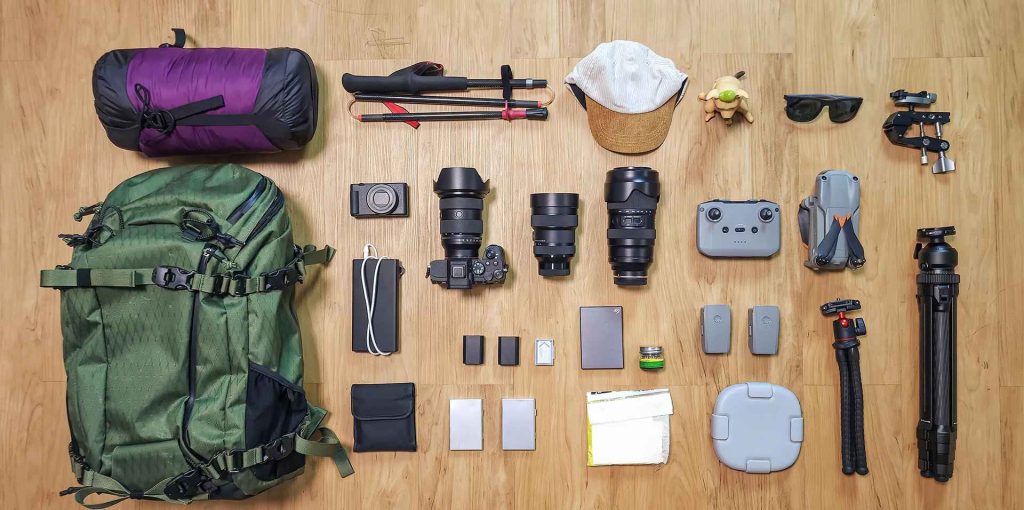
Layered clothing is essential. You will need moisture-wicking base layers, insulating mid-layers, and a waterproof outer shell. A high-quality four-season sleeping bag rated for below-freezing temperatures is mandatory for summit night.
Well-broken-in hiking boots help prevent blisters, while trekking poles reduce strain on knees during steep ascents and descents. Sunglasses and sunscreen are equally important, as UV exposure is intense at high altitude—even when temperatures are cold.
Bringing energy-rich snacks can also provide quick boosts during long trekking days, particularly during the midnight summit push.
Staying Hydrated and Maintaining Energy
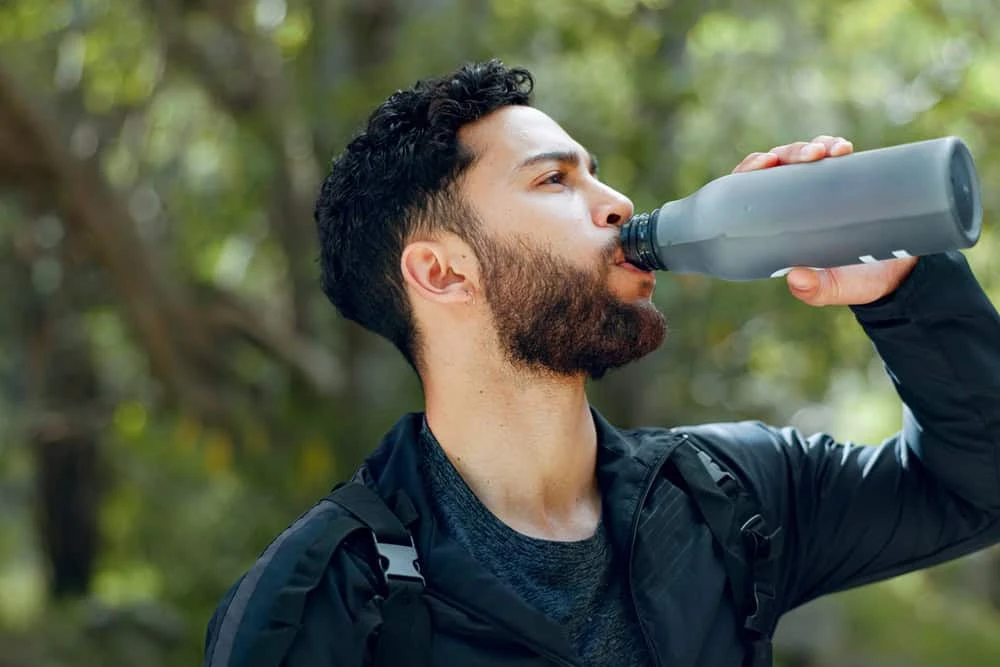
Hydration plays a major role in preventing altitude sickness and maintaining energy levels. Climbers should aim to drink at least 3–4 liters of water per day during the trek.
At higher altitudes, appetite may decrease. However, it is important to continue eating regularly. Carbohydrates are easier to digest at altitude and provide sustained energy for long trekking days. Our mountain chefs at Nyayo Tours and Safaris prepare balanced, nutritious meals designed specifically for high-altitude performance.
Preparing Mentally for Summit Night
Summit night is often the most challenging part of the Kilimanjaro climb. The ascent typically begins around midnight, requiring 6–8 hours of hiking in cold, dark, and windy conditions.
Mental preparation is just as important as physical readiness. Thin air, steep slopes, and freezing temperatures can test your determination. However, maintaining a steady pace and focusing on one step at a time will carry you forward. Reaching the summit at sunrise, watching the African landscape unfold beneath you, makes every step worthwhile.
Listening to Your Body Throughout the Climb
Your guides are trained to monitor altitude-related symptoms, but personal awareness is equally important. If you experience persistent headaches, dizziness, nausea, or unusual fatigue, inform your guide immediately.
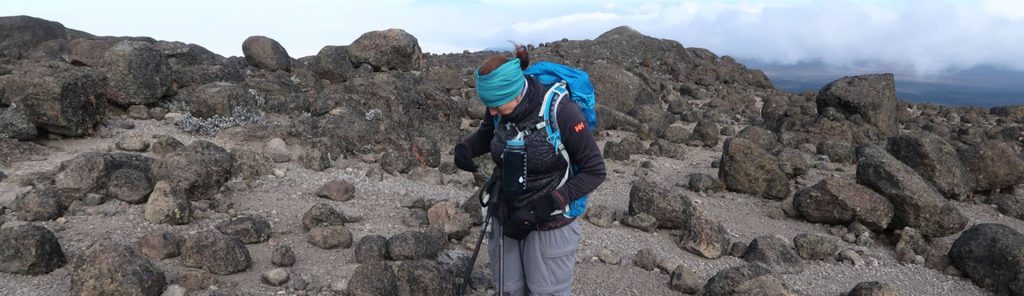
At Nyayo Tours and Safaris, climber safety is our highest priority. Descending when necessary is never considered failure—it is a responsible decision. Your health always comes first.
Choosing a Reputable Kilimanjaro Guide Company
Selecting a professional and ethical tour operator significantly impacts your overall experience. Experienced guides improve acclimatization management, provide motivation, and handle logistics efficiently.
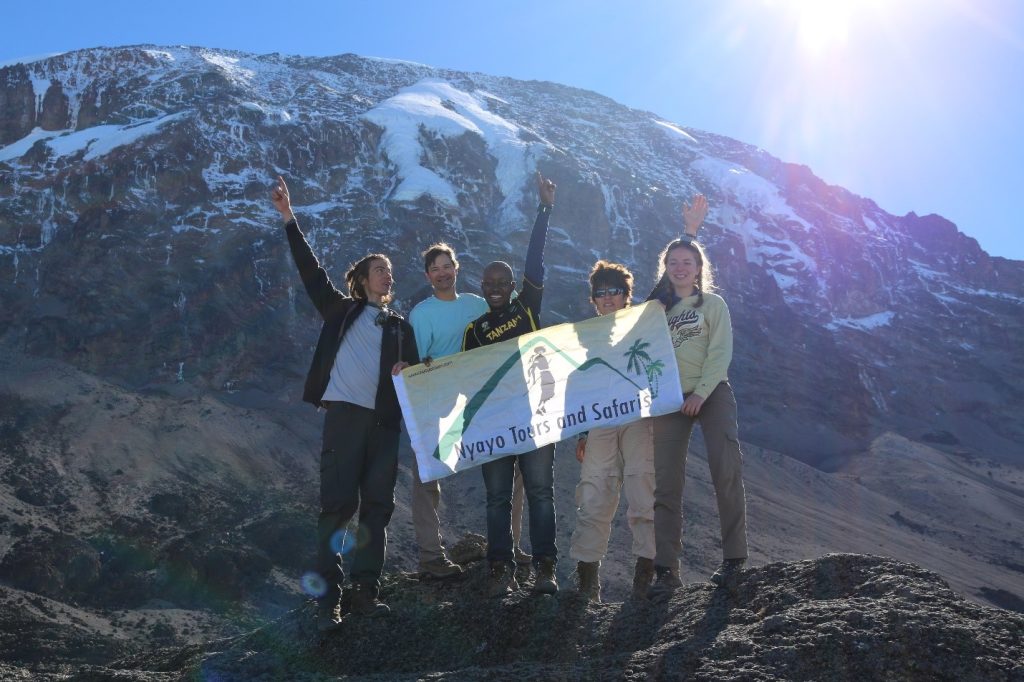
Nyayo Tours and Safaris follows Kilimanjaro National Park regulations and supports fair porter treatment practices. We are committed to ethical climbing standards, proper equipment, and highly trained mountain crews who ensure your journey is both safe and memorable.
Planning for Tipping and Porter Support
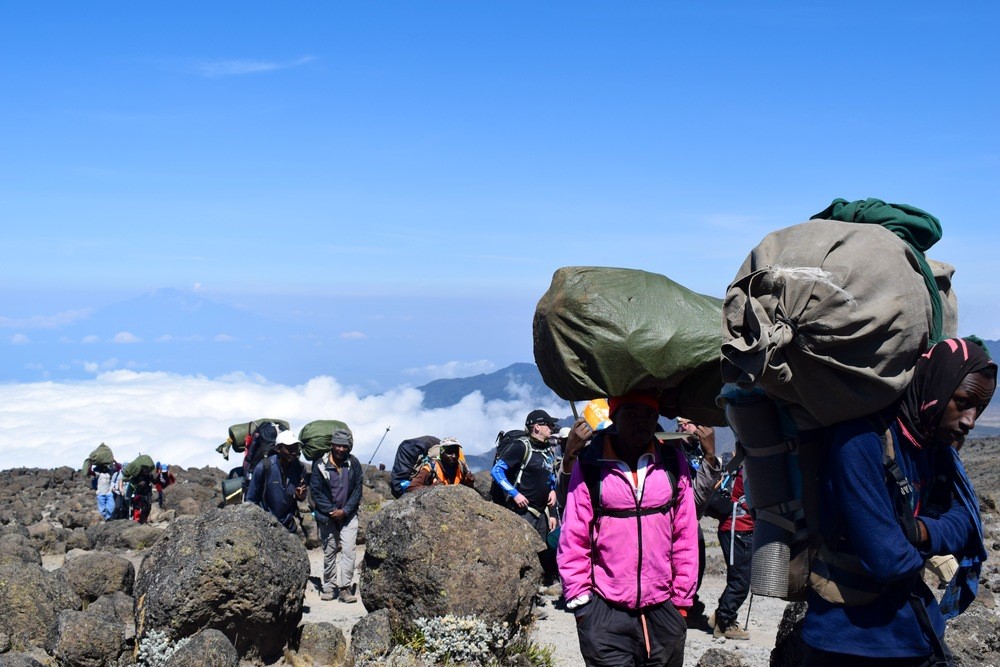
Tipping is customary on Mount Kilimanjaro and serves as a meaningful way to show appreciation for your mountain team’s dedication and hard work. It is advisable to budget approximately $200–300 USD for tips, depending on group size and route duration.
Your guides, porters, and cooks play an essential role in helping you achieve your summit goal.
Respecting the Mountain and Local Culture
Mount Kilimanjaro is not only a natural wonder but also a place of cultural importance. Respecting local customs, maintaining environmental responsibility, and leaving no trace are vital principles for every climber.
Protecting the mountain ensures that future generations can experience its beauty just as you will.
Final Thoughts: Your Kilimanjaro Adventure with Nyayo Tours and Safaris
Climbing Mount Kilimanjaro for the first time is a life-changing achievement. With the right preparation, proper gear, expert guidance, and a determined mindset, you can stand proudly on the Roof of Africa.
At Nyayo Tours and Safaris, we are dedicated to delivering safe, professionally guided Kilimanjaro trekking experiences with high summit success rates. Let us help you turn your dream of reaching Uhuru Peak into reality.