Kilimanjaro Climbing Safety is a top priority for anyone planning to summit Africa’s highest peak. With proper preparation, experienced guides, and well-paced itineraries that support acclimatization, climbing Mount Kilimanjaro is considered safe for most travelers. By following expert advice, using the right gear, and listening to your guide, you can significantly reduce risks and enjoy a successful and secure trekking experience.
Kilimanjaro Climbing Safety
Climbing Mount Kilimanjaro is widely considered safe for travelers who prepare properly and climb with experienced professionals. Every year, thousands of climbers successfully reach Uhuru Peak without major incidents. However, like any high-altitude expedition, the journey requires awareness, preparation, and adherence to safety guidelines. At Nyayo Tours and Safaris, safety is a top priority, and every climb is carefully managed to ensure a secure and rewarding experience.
Understanding the Safety of Climbing Kilimanjaro
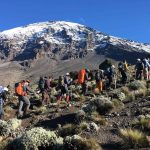
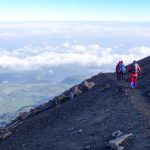
Kilimanjaro is a non-technical mountain, meaning no advanced climbing skills or equipment such as ropes or ice axes are required. This makes it accessible to a wide range of travelers. The main challenge is not the terrain but the altitude. As climbers ascend, oxygen levels decrease, which can affect the body if not managed properly.
Despite this, with proper acclimatization, guidance, and pacing, most climbers complete the trek safely. The presence of trained guides and support teams significantly reduces risks and ensures immediate response to any issues that may arise.
Altitude Sickness: The Primary Risk on Kilimanjaro
The biggest concern when climbing Kilimanjaro is Altitude Sickness. This condition occurs when the body struggles to adapt to reduced oxygen levels at higher elevations. Symptoms may include headaches, dizziness, fatigue, nausea, and shortness of breath.
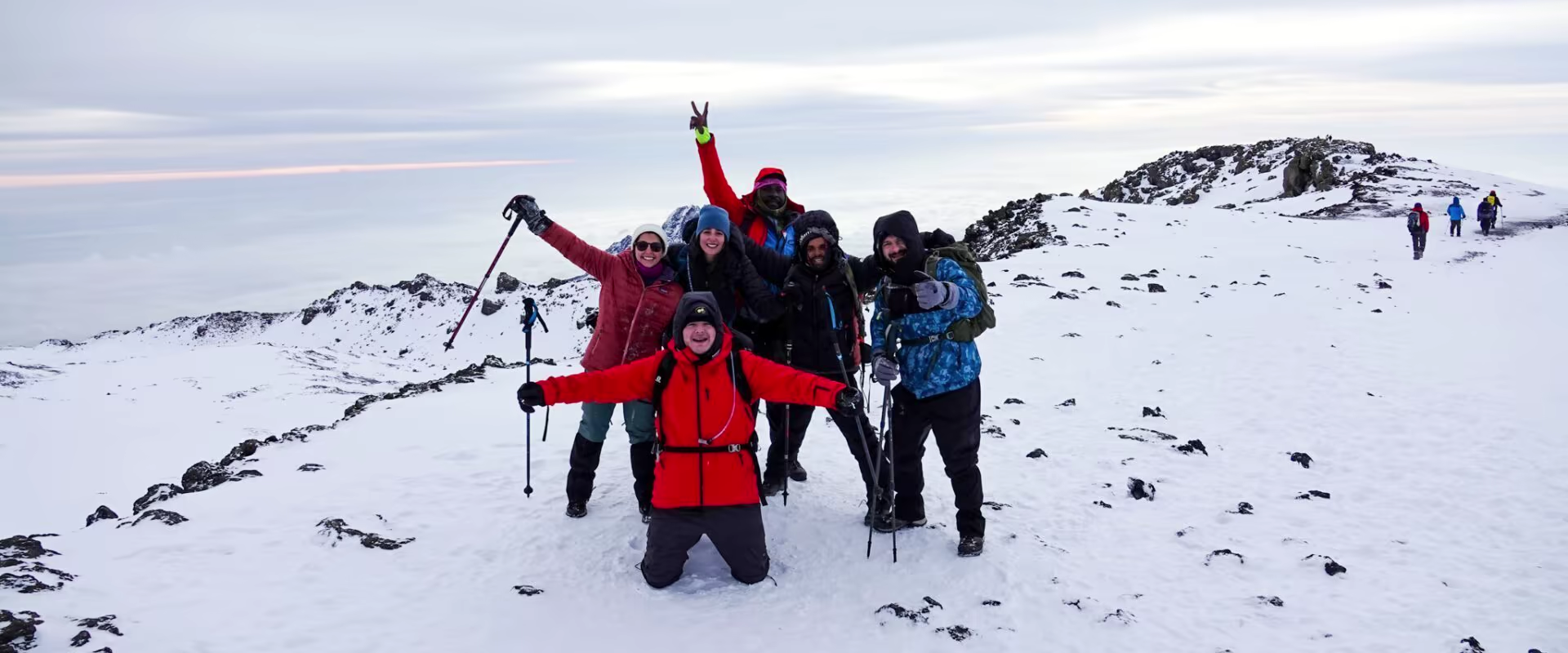
Professional guides are trained to monitor these symptoms closely. If a climber shows signs of severe altitude sickness, immediate action is taken. This may include first aid, descending to a lower altitude, or arranging evacuation if necessary. Early detection and response are key to ensuring safety.
Emergency Response and Rescue Services
Kilimanjaro has well-established safety and rescue systems in place. In most cases, if a climber becomes unwell, guides coordinate a safe descent with the help of porters and ground rescue teams. Emergency vehicles are available at designated points on the mountain to transport climbers back to town.
For more serious cases, services like Kilimanjaro Search and Rescue provide rapid response support. Helicopter evacuations with professional medical teams can be arranged, ensuring climbers receive immediate medical attention when needed. While such services come at an additional cost, they provide an extra layer of security and peace of mind.
The Importance of Proper Preparation
Preparation plays a major role in ensuring Kilimanjaro climbing safety. Physical conditioning through hiking, cardio training, and endurance exercises helps your body cope with the demands of the trek. Mentally, climbers should be ready for long trekking days and changing conditions.
Equally important is selecting a reputable tour operator like Nyayo Tours and Safaris. Experienced guides, quality equipment, and well-planned itineraries significantly enhance safety and overall success.
Choosing the Right Route for Safety
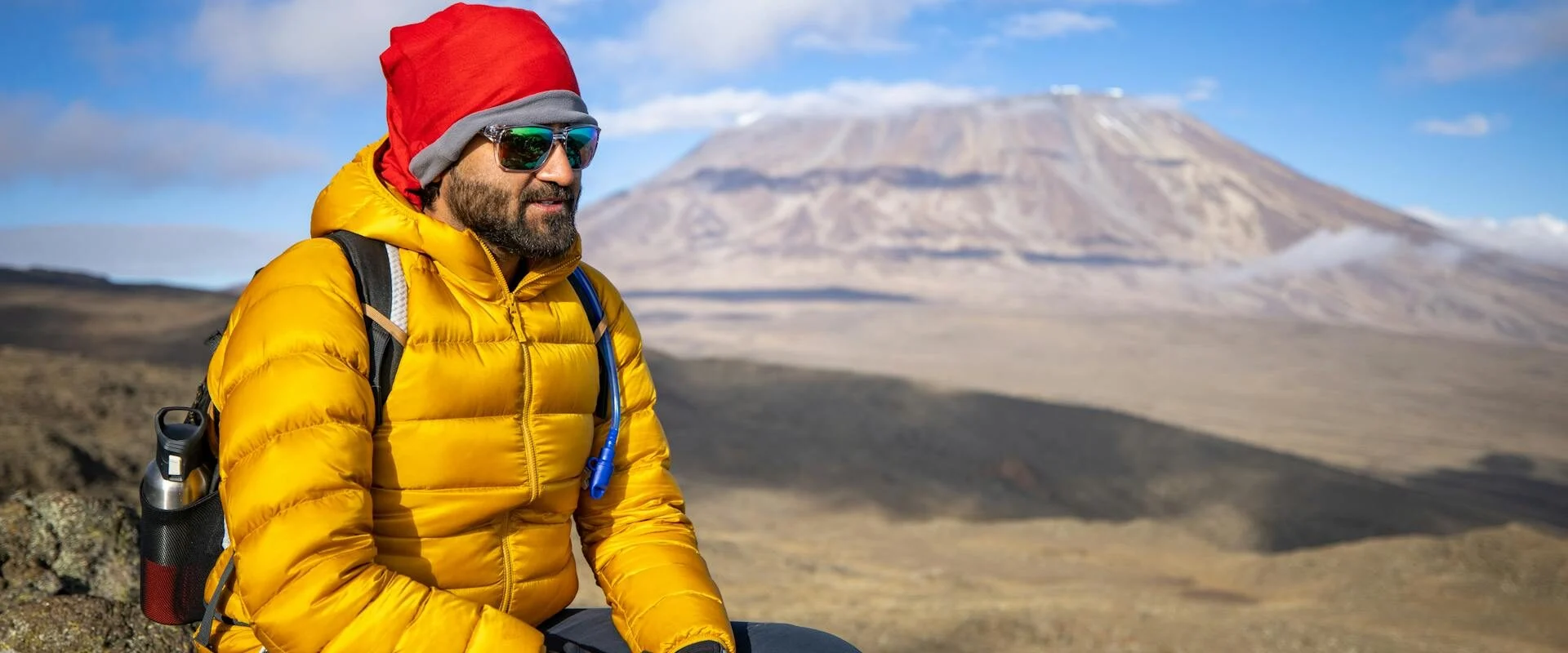
Not all Kilimanjaro routes offer the same level of safety. Routes that allow more time for acclimatization are generally safer and have higher success rates. Gradual ascent profiles reduce the risk of altitude sickness and give the body time to adjust.
Longer routes such as Machame, Lemosho, and Rongai are highly recommended for their balance of safety, scenery, and acclimatization. Choosing the right route based on your fitness level and experience is essential for a safe climb.
Weather Conditions and Climbing Safety
Weather on Kilimanjaro can be unpredictable, ranging from warm temperatures at the base to freezing conditions near the summit. Climbers should be prepared for rain, wind, and cold temperatures, especially during summit night.
The best times to climb are during the dry seasons, typically from January to March and June to October. These months offer more stable weather, making trekking conditions safer and more comfortable.
Essential Gear for a Safe Climb
Having the right equipment is critical for Kilimanjaro climbing safety. Proper gear protects you from extreme weather conditions and enhances your overall performance.
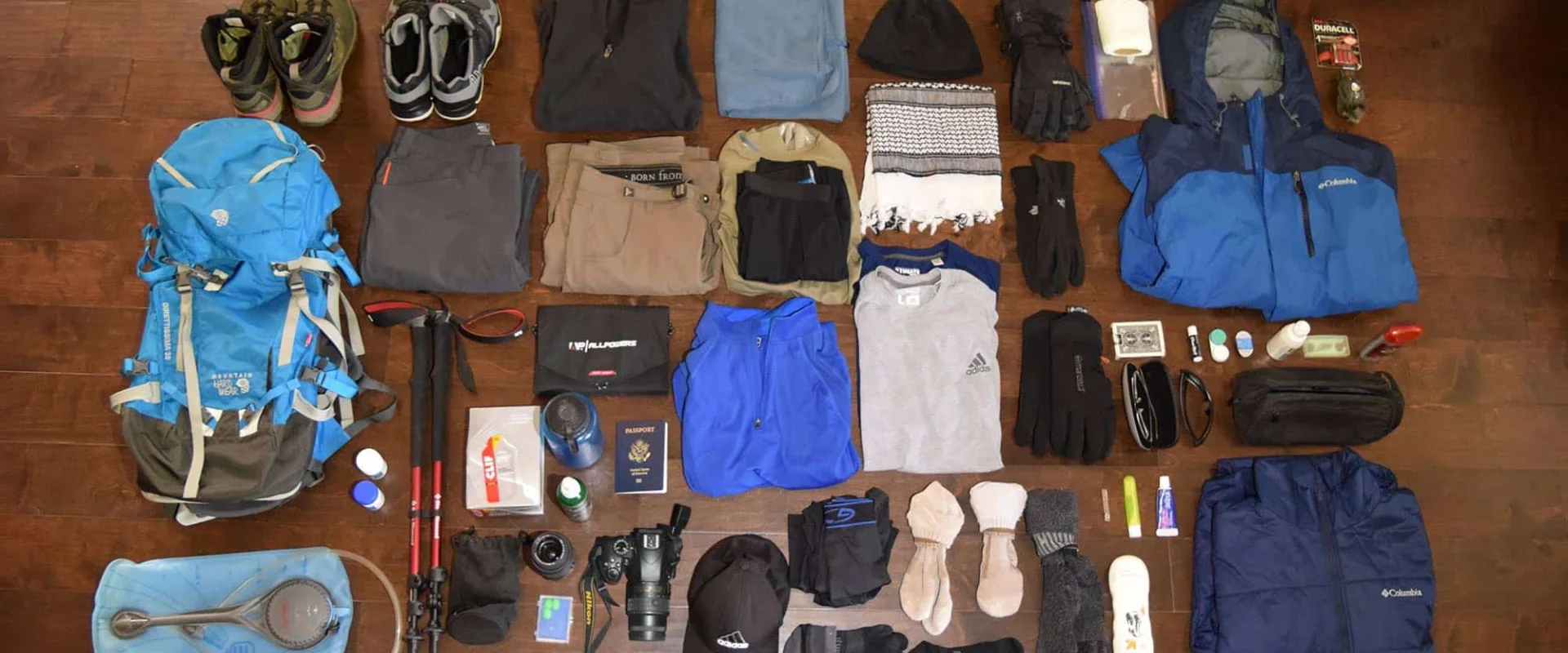
Climbers should bring layered clothing for varying temperatures, waterproof outerwear, sturdy hiking boots, gloves, hats, and a warm sleeping bag. Accessories such as sunglasses, sunscreen, and trekking poles are also essential. High-quality gear ensures comfort and reduces the risk of weather-related complications.
Listening to Your Guide and Team
One of the most important safety tips is to listen to your guide at all times. Kilimanjaro guides are highly experienced and trained to manage altitude, pacing, and emergency situations. Their instructions are based on years of experience and are designed to keep you safe.
Ignoring advice, pushing too fast, or hiding symptoms of illness can increase risks. Open communication with your guide ensures that any issues are addressed early and effectively.
Nutrition, Hydration, and Energy Management
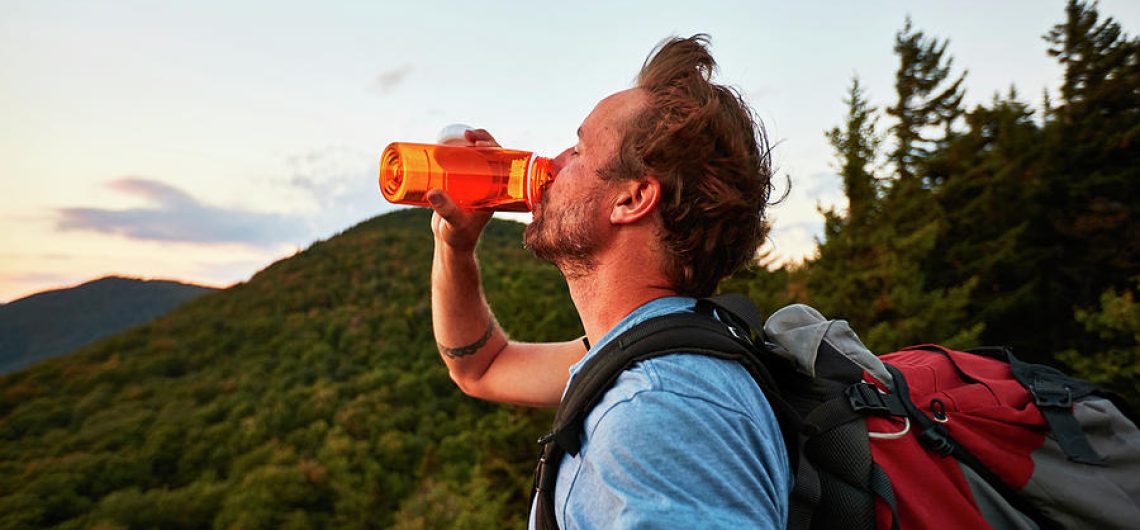
Maintaining your energy levels is essential for a safe climb. Eating balanced meals and staying hydrated helps your body cope with altitude and physical exertion. Even when appetite decreases at higher elevations, it is important to continue eating and drinking regularly.
Proper rest is equally important. Adequate sleep allows your body to recover and prepares you for the next day’s trek, especially before the challenging summit push.
Malaria Risk Around Kilimanjaro
While climbing Kilimanjaro itself poses minimal risk for Malaria, the surrounding lower-altitude areas such as Moshi and Arusha are considered higher-risk zones.
Malaria is transmitted by mosquitoes that thrive in warm, humid environments, typically below 1,800 meters. Symptoms may include fever, chills, headaches, and fatigue. Travelers are advised to take preventive measures such as using insect repellent, wearing protective clothing, and considering anti-malarial medication.
During the climb itself, the risk decreases significantly as altitude increases, making mosquito presence minimal or non-existent at higher elevations.
Final Thoughts on Kilimanjaro Climbing Safety
So, is climbing Kilimanjaro safe? The answer is yes—when approached with the right preparation, guidance, and mindset. While altitude remains the primary challenge, it can be effectively managed through proper acclimatization and professional support.
With Nyayo Tours and Safaris, climbers benefit from experienced guides, strong safety protocols, and well-organized expeditions. By following expert advice, preparing adequately, and respecting the mountain, you can enjoy a safe and unforgettable journey to the Roof of Africa.