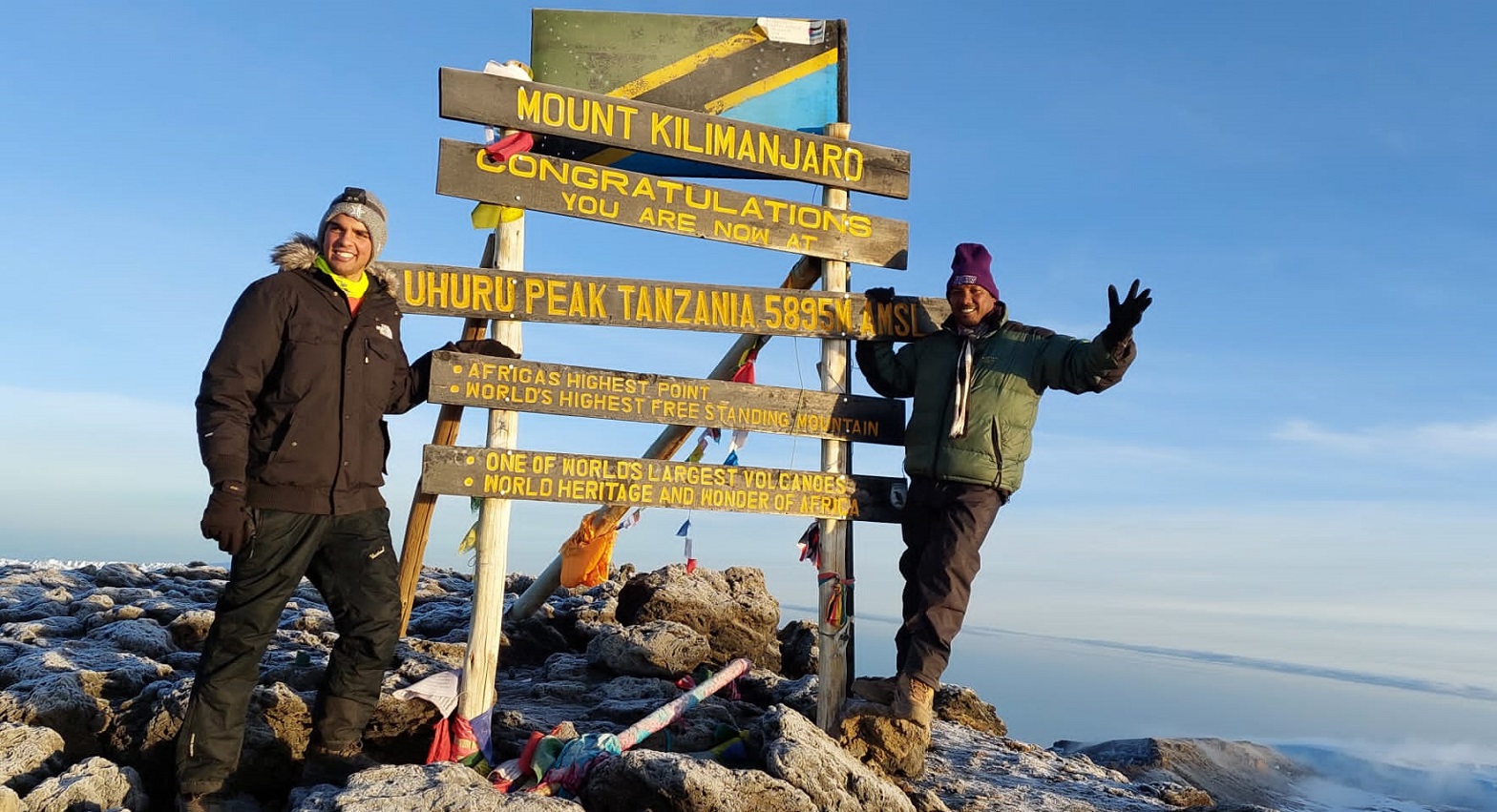
Reaching the summit of Mount Kilimanjaro is a life-changing achievement, but success depends on more than determination alone. Understanding Kilimanjaro summit success rates helps climbers make informed decisions about routes, preparation, and timing. At Nyayo Tours and Safaris, we believe that the right strategy significantly increases your chances of standing on Uhuru Peak.
Understanding Kilimanjaro Summit Success Rates
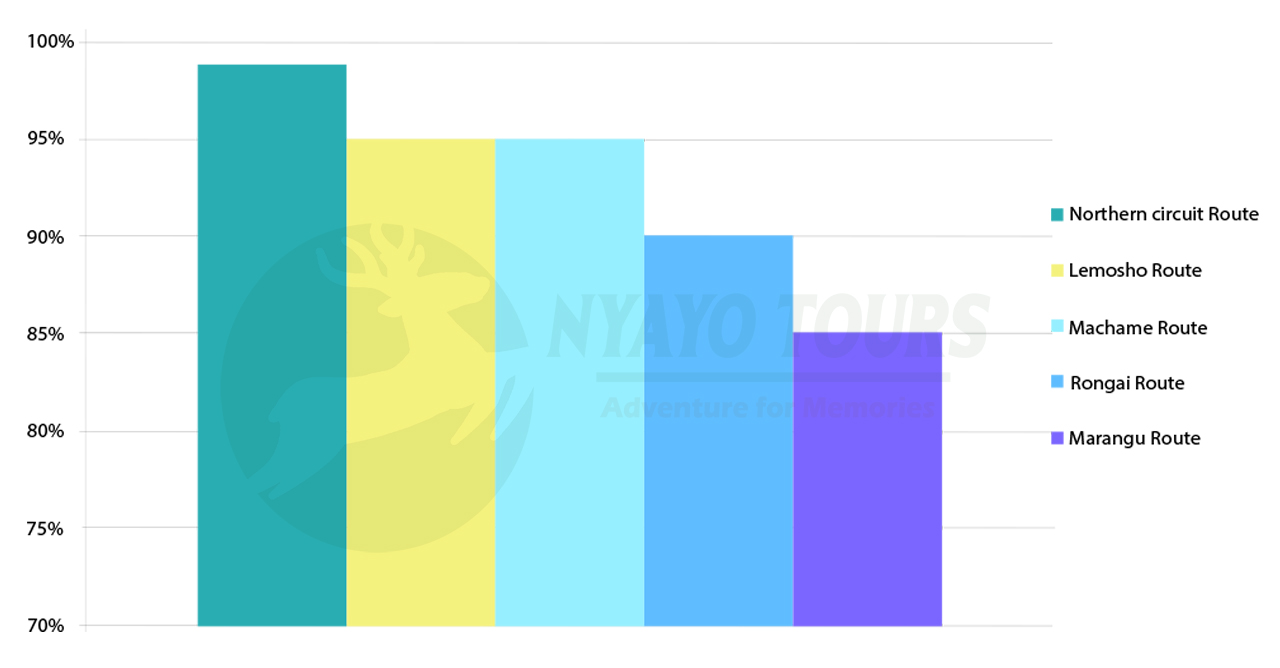
Kilimanjaro summit success rates vary depending on several key factors, including route selection, number of climbing days, acclimatization, and overall preparation. On average, shorter routes such as 5-day climbs have success rates below 60%, while longer routes lasting 7 to 8 days can exceed 85–90%.
The primary reason for this difference is altitude acclimatization. As climbers ascend, oxygen levels decrease, making it harder for the body to adjust. Routes that allow gradual elevation gain give climbers more time to adapt, significantly improving summit success rates.
Why Acclimatization Matters for Summit Success
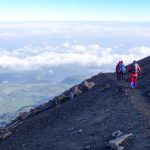
Altitude is the biggest challenge on Kilimanjaro. The higher you climb, the thinner the air becomes, increasing the risk of Altitude Sickness. Proper acclimatization allows your body to adjust slowly, reducing symptoms like headaches, nausea, and fatigue.
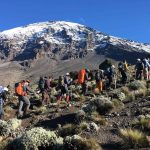
Routes such as Machame Route, Lemosho Route, and Rongai Route are highly recommended because they are designed with better acclimatization profiles. These routes follow the “climb high, sleep low” principle, which is essential for improving summit success rates.
Choosing the Best Route for Higher Success Rates
Selecting the right route plays a major role in determining your success on Kilimanjaro. Longer and more gradual routes provide better conditions for acclimatization and physical adjustment.
-
The Machame Route offers excellent acclimatization and scenic diversity, making it one of the most successful routes.
-
The Lemosho Route is considered one of the best for high summit success due to its longer duration and gradual ascent.
-
The Rongai Route, approaching from the north, provides a quieter trail and steady elevation gain.
At Nyayo Tours and Safaris, we strongly recommend choosing routes that allow at least 6 to 8 days on the mountain for optimal success.
Proper Preparation Increases Summit Success
Preparation is one of the most overlooked factors affecting Kilimanjaro summit success rates. Climbers should focus on building endurance, mental resilience, and proper gear planning before the trek.
Being fully equipped ensures you are ready for unpredictable mountain weather. Temperatures can vary dramatically, from warm rainforest conditions to freezing summit nights. Proper layering and high-quality gear make a significant difference in comfort and performance.
Essential Gear for a Successful Kilimanjaro Climb
Having the right equipment is crucial for both safety and success. Climbers should pack strategically to handle all weather conditions while keeping their daypack light.
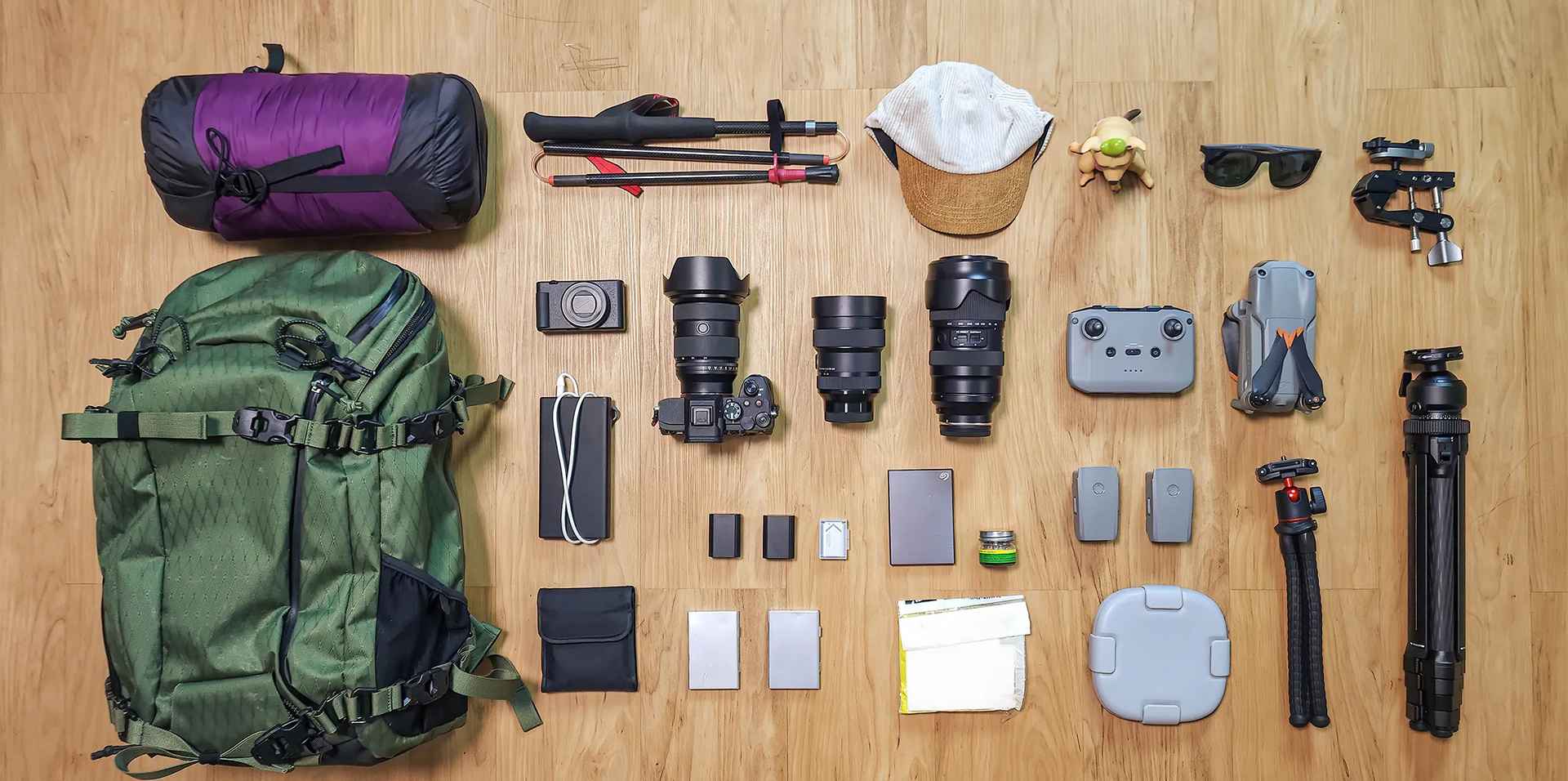
Essential gear includes a waterproof duffle bag, a comfortable daypack, thermal clothing, insulated jackets, gloves, and proper hiking boots. Items such as sunglasses, sunscreen, trekking poles, and a warm sleeping bag are equally important.
Most of these items can be rented in Moshi, making it easier for international travelers to access quality gear without carrying everything from home.
The Role of Guides and Support Crew
Experienced guides and porters are key contributors to high Kilimanjaro summit success rates. Professional guides monitor your health, pace your climb, and provide critical advice throughout the journey.
Listening to your guide is essential. Their experience on the mountain allows them to detect early signs of altitude sickness and adjust the pace accordingly. At Nyayo Tours and Safaris, our guides have extensive experience and prioritize your safety and success at every stage of the climb.
Nutrition, Hydration, and Energy Management
Maintaining energy levels is critical during a Kilimanjaro climb. Long trekking days require consistent nutrition and hydration to keep your body functioning properly.
Climbers are encouraged to eat well, even when appetite decreases at higher altitudes, and to drink plenty of water daily. Proper hydration helps your body adapt to altitude and reduces the risk of fatigue and sickness.
Getting enough rest is equally important. Going to bed early and conserving energy ensures you are physically prepared for the demanding summit push.
Best Time to Climb Kilimanjaro for Higher Success Rates
Weather conditions play a major role in Kilimanjaro summit success rates. Choosing the right season can improve both safety and overall experience.
The best time to climb is during the dry seasons, when trails are more stable and visibility is clear. These include:
-
June to October, which is the most popular climbing season with excellent weather conditions.
-
December to February, another favorable period with relatively stable weather.
The rainy seasons, particularly from March to May, present more challenging conditions due to slippery trails and reduced visibility, which can lower summit success rates.
Light Packing and Smart Load Management
Carrying a heavy daypack can quickly drain your energy and reduce your chances of reaching the summit. Porters will carry most of your equipment, allowing you to focus on the climb with only essential daily items.
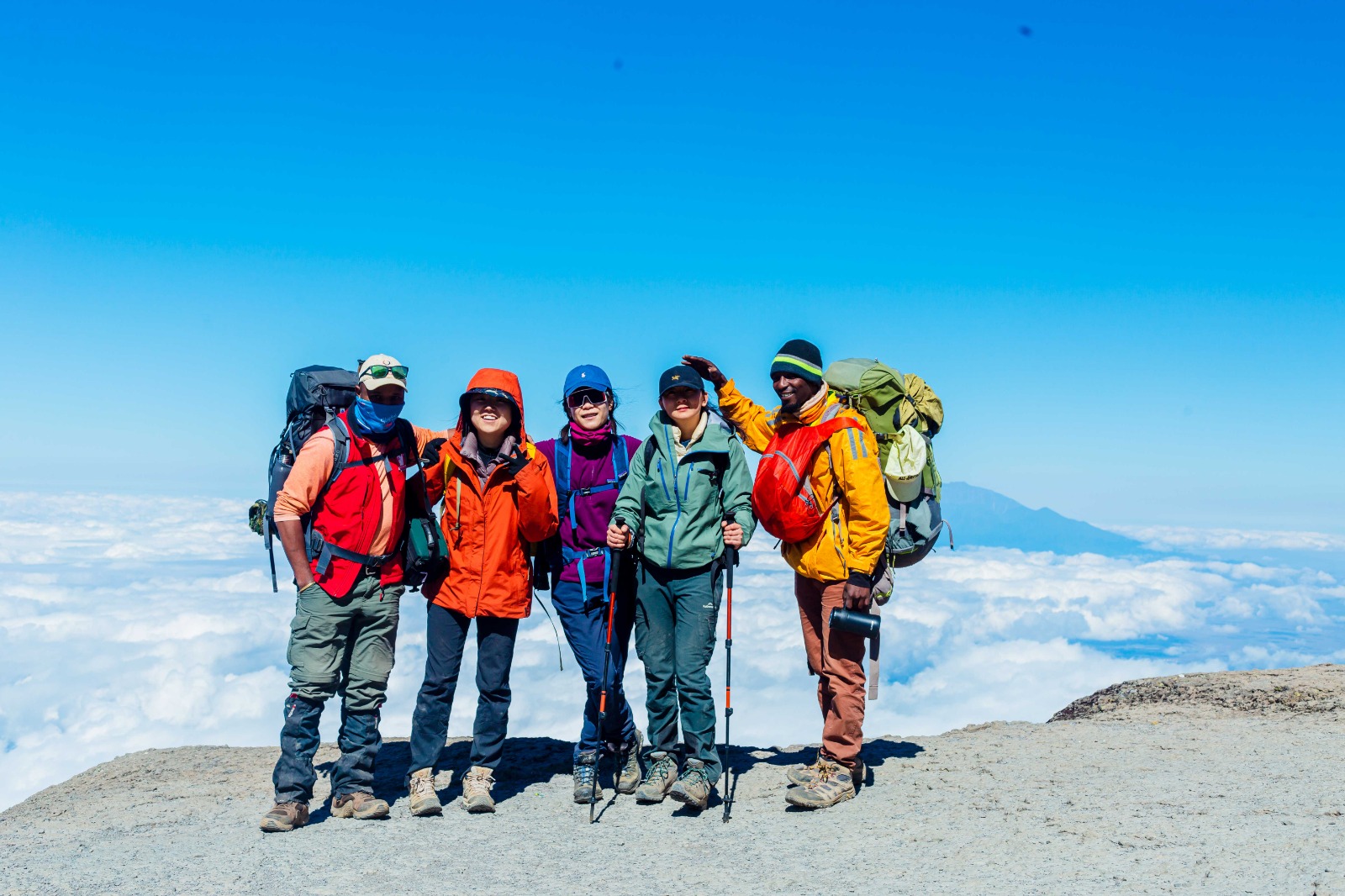
A light daypack should include water, snacks, extra layers, and personal essentials. Keeping your load manageable helps conserve energy and improves overall performance during the trek.
Final Thoughts on Kilimanjaro Summit Success Rates
Climbing Kilimanjaro is a rewarding challenge that requires careful planning and the right approach. By choosing longer routes, preparing properly, using quality gear, and climbing during the best seasons, you can significantly increase your chances of success.
With expert guidance from Nyayo Tours and Safaris, climbers benefit from professional support, well-planned itineraries, and a strong focus on safety and acclimatization. All these elements work together to maximize Kilimanjaro summit success rates and help you achieve your dream of reaching the Roof of Africa.