Understanding Mount Meru weather conditions is essential for planning a successful and enjoyable trekking adventure in Tanzania. Rising to 4,566 meters within Arusha National Park, Mount Meru offers a diverse range of climates that change dramatically with altitude. For climbers booking with Nyayo Tours and Safaris, knowing what to expect from the weather helps ensure proper preparation, safety, and overall comfort throughout the trek.
Weather Zones on Mount Meru
Mount Meru features multiple ecological zones, each with its own distinct weather conditions. The lower slopes begin in warm and humid environments, often covered in lush rainforest where temperatures are mild and rainfall is common. As climbers ascend, the environment gradually shifts into cooler moorlands, where temperatures drop and winds become more noticeable.
Higher up, the alpine desert zone presents dry, cold, and often windy conditions, while the summit area is characterized by freezing temperatures, strong winds, and occasional frost. This variation means climbers can experience several climate changes within a single day, making layered clothing essential.
Seasonal Weather Patterns on Mount Meru
The weather on Mount Meru is influenced by Tanzania’s tropical climate, which includes both dry and rainy seasons. The dry seasons, from June to October and from December to February, are considered the best times to climb. During these months, the weather is generally stable, skies are clearer, and trails are easier to navigate.
In contrast, the rainy seasons, particularly from March to May, bring heavy rainfall that can make trails slippery and trekking more challenging. The short rains in November may still allow for climbing, but conditions are less predictable. Choosing the right season significantly improves your trekking experience and safety.
Daily Weather Changes and Mountain Climate
One of the most important aspects of Mount Meru weather conditions is how quickly the climate can change. Mornings are typically cool and clear, providing ideal trekking conditions. As the day progresses, clouds often build up, especially in forest zones, leading to afternoon showers or mist.
Evenings tend to become cold, with temperatures dropping significantly overnight. This daily weather cycle requires climbers to be prepared for sun, rain, and cold temperatures all within the same day.
Summit Weather Conditions on Mount Meru
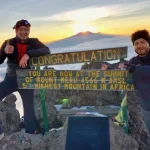
The summit of Mount Meru, known as Socialist Peak, presents the most extreme weather conditions of the trek. Temperatures often fall below freezing, especially during early morning summit attempts. Strong winds and reduced oxygen levels add to the challenge, requiring climbers to be well-prepared physically and mentally.
Despite the cold, summit days often reward climbers with breathtaking sunrise views and clear panoramas, sometimes even revealing Mount Kilimanjaro in the distance.
Best Time to Climb Mount Meru
Choosing the right time to climb is crucial for enjoying favorable Mount Meru weather conditions. The most recommended months are June to October and January to February, when rainfall is minimal and visibility is excellent.
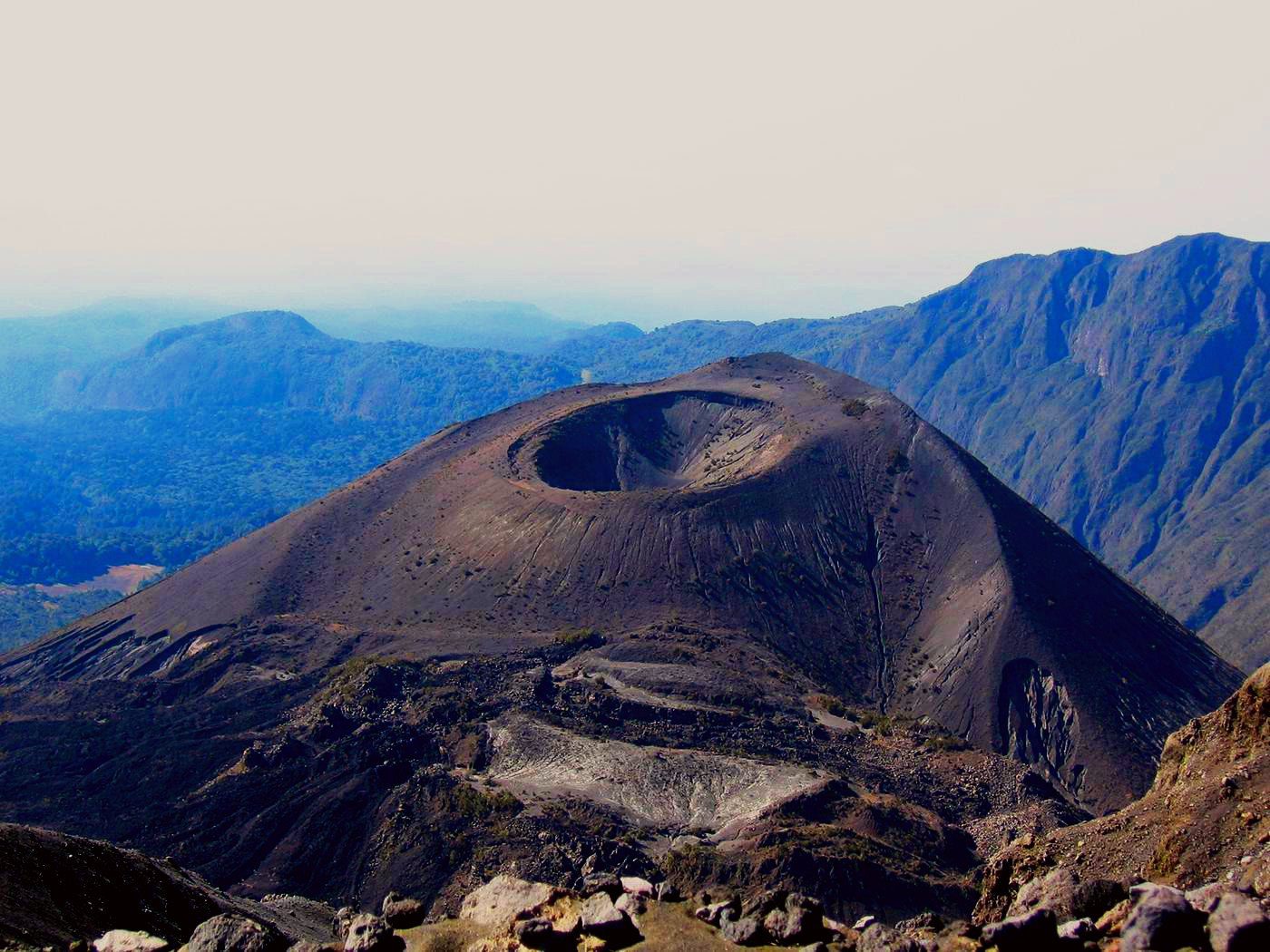
Climbing during these periods increases safety, improves trail conditions, and enhances the chances of clear summit views. While it is possible to climb year-round, avoiding the peak rainy months is strongly advised.
How Weather Affects Your Trekking Experience
Weather conditions play a significant role in shaping your Mount Meru trekking experience. Dry conditions provide stable trails and stunning views, while wetter conditions create lush landscapes but can make trekking more demanding.
Temperature changes also affect energy levels and comfort, making it important to stay properly dressed and hydrated. With the right preparation, climbers can adapt to these conditions and fully enjoy the adventure.
Essential Tips for Handling Mount Meru Weather
Preparing for Mount Meru’s changing weather conditions is key to a successful climb. Wearing layered clothing allows you to adjust to temperature shifts easily, while waterproof gear protects against unexpected rain. Proper footwear ensures stability on both dry and muddy trails.
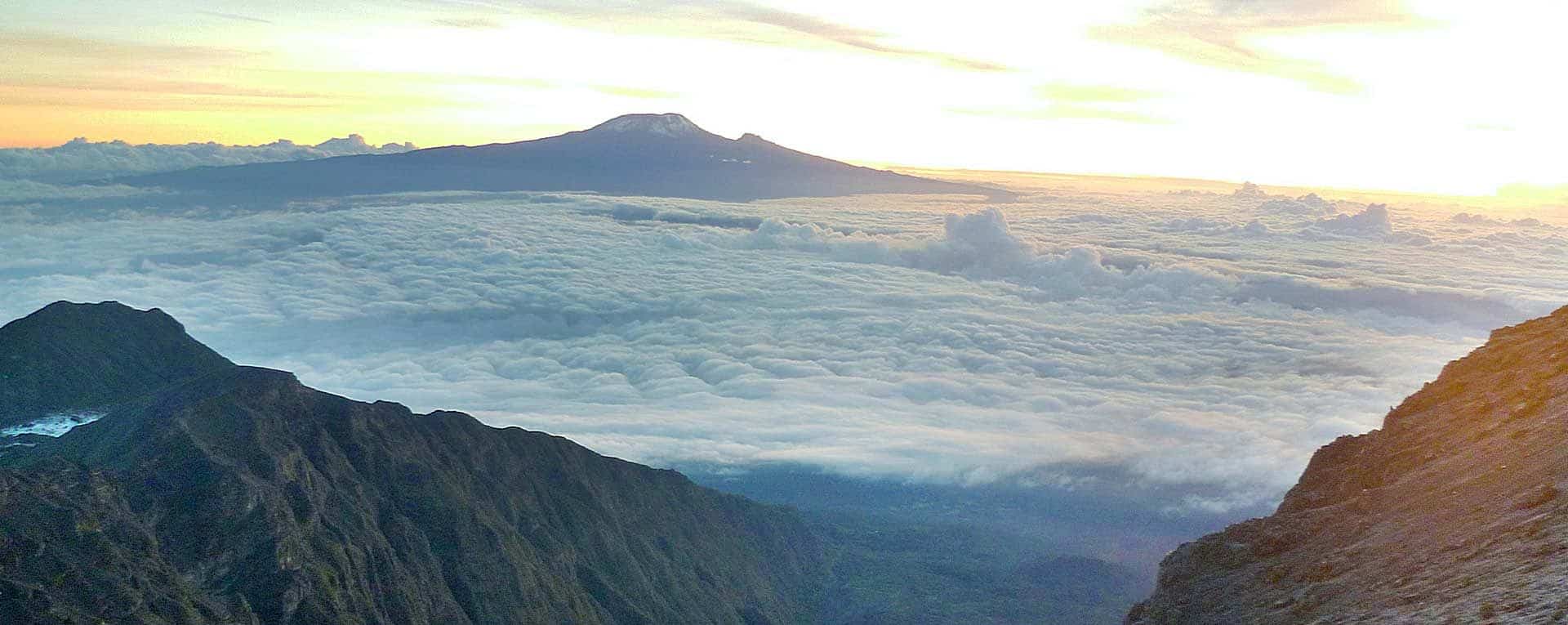
Climbers are also advised to carry sun protection for daytime trekking and warm gear for cold evenings and summit attempts. Being prepared for all weather conditions ensures both safety and comfort throughout the journey.
Final Thoughts on Mount Meru Weather Conditions
Mount Meru offers a unique trekking experience shaped by its diverse and ever-changing climate. From tropical rainforest to alpine summit conditions, understanding Mount Meru weather conditions is essential for proper planning and preparation. With expert guidance from Nyayo Tours and Safaris, climbers can confidently navigate these conditions and enjoy a safe, well-organized, and unforgettable adventure on one of Tanzania’s most scenic trekking mountains.