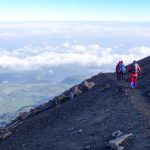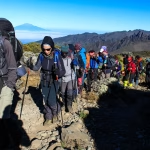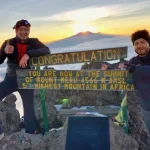
Kilimanjaro Challenges and Altitude Sickness are among the most important factors climbers must prepare for when attempting to summit Africa’s highest mountain. As trekkers ascend Mount Kilimanjaro, the decrease in oxygen levels at higher altitudes can lead to symptoms such as headaches, fatigue, dizziness, and nausea. Choosing the right climbing route, allowing enough time for proper acclimatization, staying hydrated, and trekking at a steady pace are essential strategies to reduce the risk of altitude sickness. With proper preparation, guidance from experienced mountain guides, and gradual altitude gain, climbers can safely overcome these Kilimanjaro challenges and increase their chances of reaching the summit successfully.
Kilimanjaro Challenges and Altitude Sickness
Climbing Mount Kilimanjaro, the highest mountain in Africa at 5,895 meters (19,341 ft), is one of the most rewarding trekking adventures in the world. Every year thousands of travelers attempt to reach the summit of Uhuru Peak, but the journey is not without its challenges. From steep terrain to unpredictable weather and the effects of altitude sickness, proper preparation is essential for a successful climb.
At Nyayo Tours and Safaris, we guide climbers through all major Kilimanjaro routes and help them understand the physical and environmental challenges of high-altitude trekking. Each route on Mount Kilimanjaro offers unique scenery, different levels of difficulty, and varying acclimatization profiles. Understanding these routes and their challenges will help you choose the best itinerary for your adventure.
Understanding Altitude Sickness on Mount Kilimanjaro
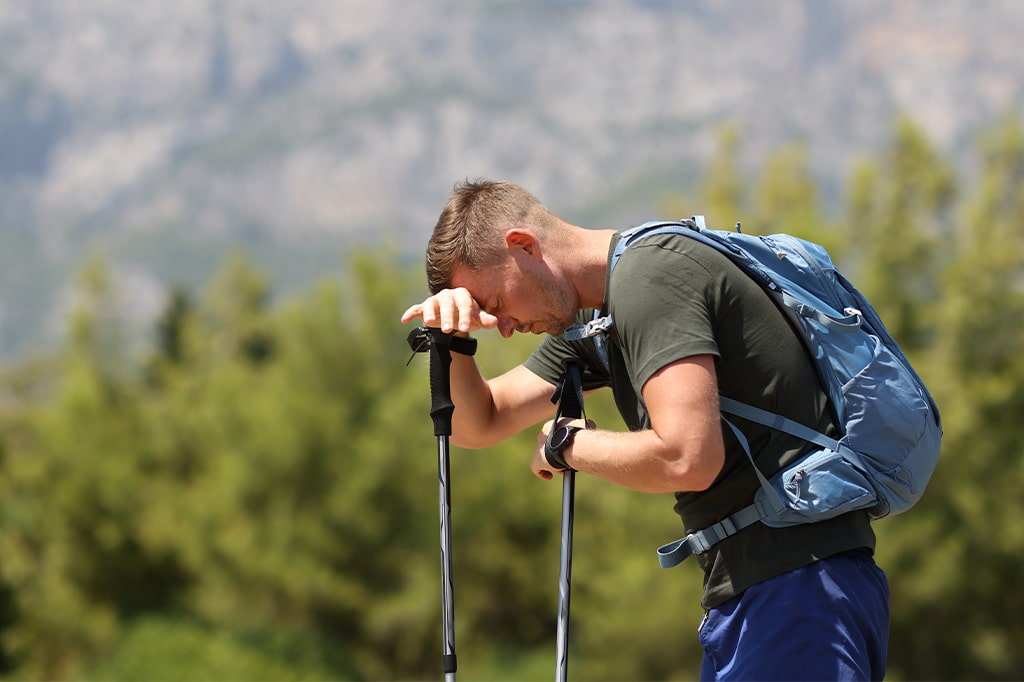
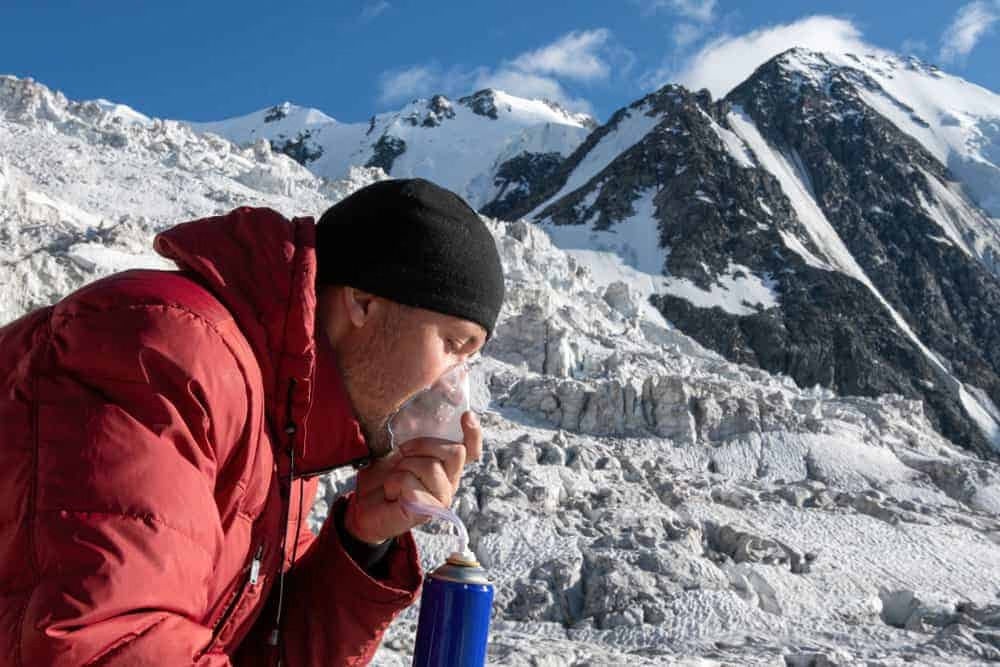
One of the biggest challenges when climbing Mount Kilimanjaro is altitude sickness, also known as Acute Mountain Sickness (AMS). As climbers ascend to higher elevations, the air becomes thinner and oxygen levels decrease. This can cause symptoms such as headaches, nausea, dizziness, fatigue, and difficulty sleeping.
The risk of altitude sickness increases when climbers ascend too quickly without giving their bodies enough time to adjust. For this reason, choosing a longer route with gradual altitude gain significantly improves the chances of reaching the summit safely. At Nyayo Tours and Safaris, our professional guides carefully monitor climbers throughout the trek and encourage the famous Kilimanjaro pace known as “pole pole,” meaning slowly and steadily.
Marangu Route – The Classic Kilimanjaro Trail
The Marangu Route is one of the oldest and most established paths on Mount Kilimanjaro. Often referred to as the “Coca-Cola Route,” it is popular because it is the only route that offers hut accommodations instead of camping. Climbers stay in shared mountain huts, which provide protection from rain and cold temperatures.
Despite its reputation as the easiest route, Marangu presents its own challenges. The route typically takes five to six days, which means climbers gain altitude quickly. This rapid ascent often results in a higher risk of altitude sickness. Additionally, the trail follows the same path for both ascent and descent, limiting scenic diversity compared to other routes.
For travelers who prefer comfortable hut accommodations and a shorter trek, Marangu remains a popular option with Nyayo Tours and Safaris.
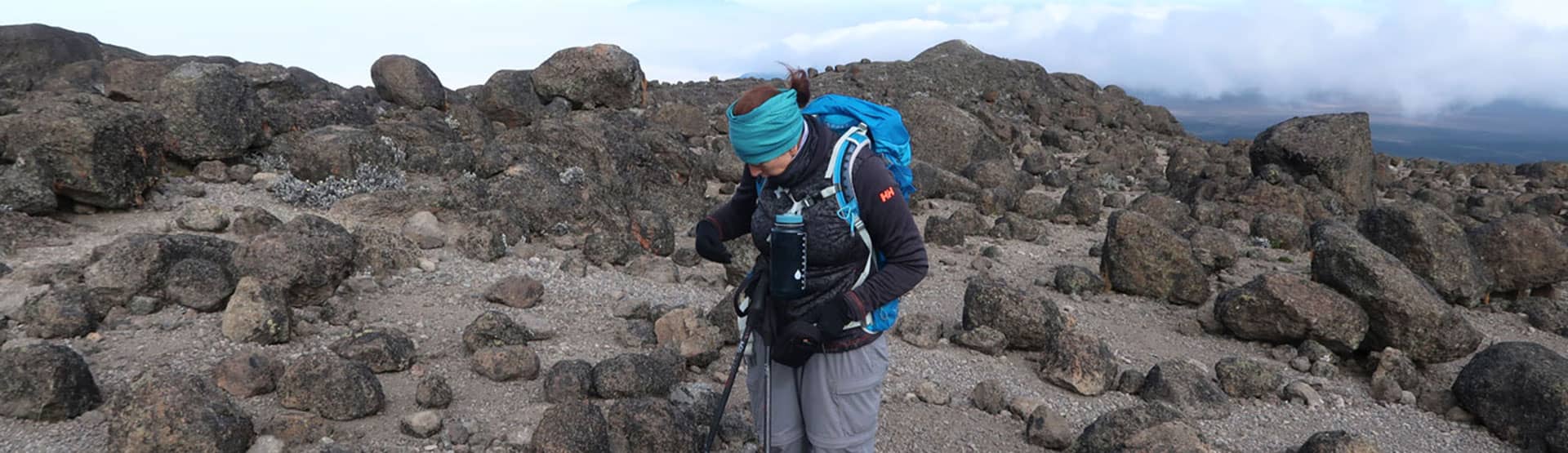
Machame Route – The Popular “Whiskey Route”
The Machame Route is one of the most scenic and popular Kilimanjaro routes. Known as the “Whiskey Route,” it offers breathtaking landscapes that pass through lush rainforest, moorland, alpine desert, and glacial zones before reaching the summit.
This route usually takes six to seven days, providing better acclimatization than shorter routes. However, Machame is physically more demanding due to steeper trails and longer trekking days. Climbers must navigate rocky terrain and sharp ascents, which require good physical fitness and endurance.
Although Machame can become crowded during peak seasons, it remains one of the best routes for climbers seeking a balance between adventure, scenery, and a higher summit success rate.
Lemosho Route – Scenic and Highly Recommended
The Lemosho Route is widely considered one of the best routes for climbing Mount Kilimanjaro. Starting on the western side of the mountain, this route offers a more remote and peaceful beginning through beautiful rainforest landscapes.
The trek typically lasts seven to eight days, allowing for excellent acclimatization. The gradual ascent increases the chances of reaching the summit successfully. Along the way, climbers enjoy spectacular views of Kilimanjaro’s glaciers, valleys, and expansive plains.
While Lemosho requires additional travel to the trailhead and a longer itinerary, it is highly recommended by Nyayo Tours and Safaris for those seeking both scenic beauty and a strong summit success rate.
Shira Route – High-Altitude Starting Point
The Shira Route begins at a relatively high elevation on the western side of Mount Kilimanjaro. Climbers are driven to the Shira Plateau at around 3,600 meters (11,800 ft) before beginning their trek.
Because the starting altitude is already high, some climbers may find it more difficult to acclimatize properly. This route therefore requires good physical fitness and prior trekking experience at altitude. However, the Shira Route offers stunning views across the plateau and passes through multiple ecological zones.
After a few days, the Shira Route merges with the Machame Route, sharing the same path toward the summit.
Rongai Route – The Quiet Northern Approach
The Rongai Route approaches Mount Kilimanjaro from the northern side near the Kenyan border. This trail is less crowded than the southern routes and offers a quieter climbing experience.
The climate on this side of the mountain is generally drier, making Rongai a good option during the rainy seasons. The route typically takes six to seven days and follows a gradual ascent profile, which can help with acclimatization.
However, the scenery is somewhat less varied compared to routes like Machame or Lemosho. The summit day can also be challenging due to the steep final ascent to Uhuru Peak.
Northern Circuit Route – The Longest and Most Scenic Route
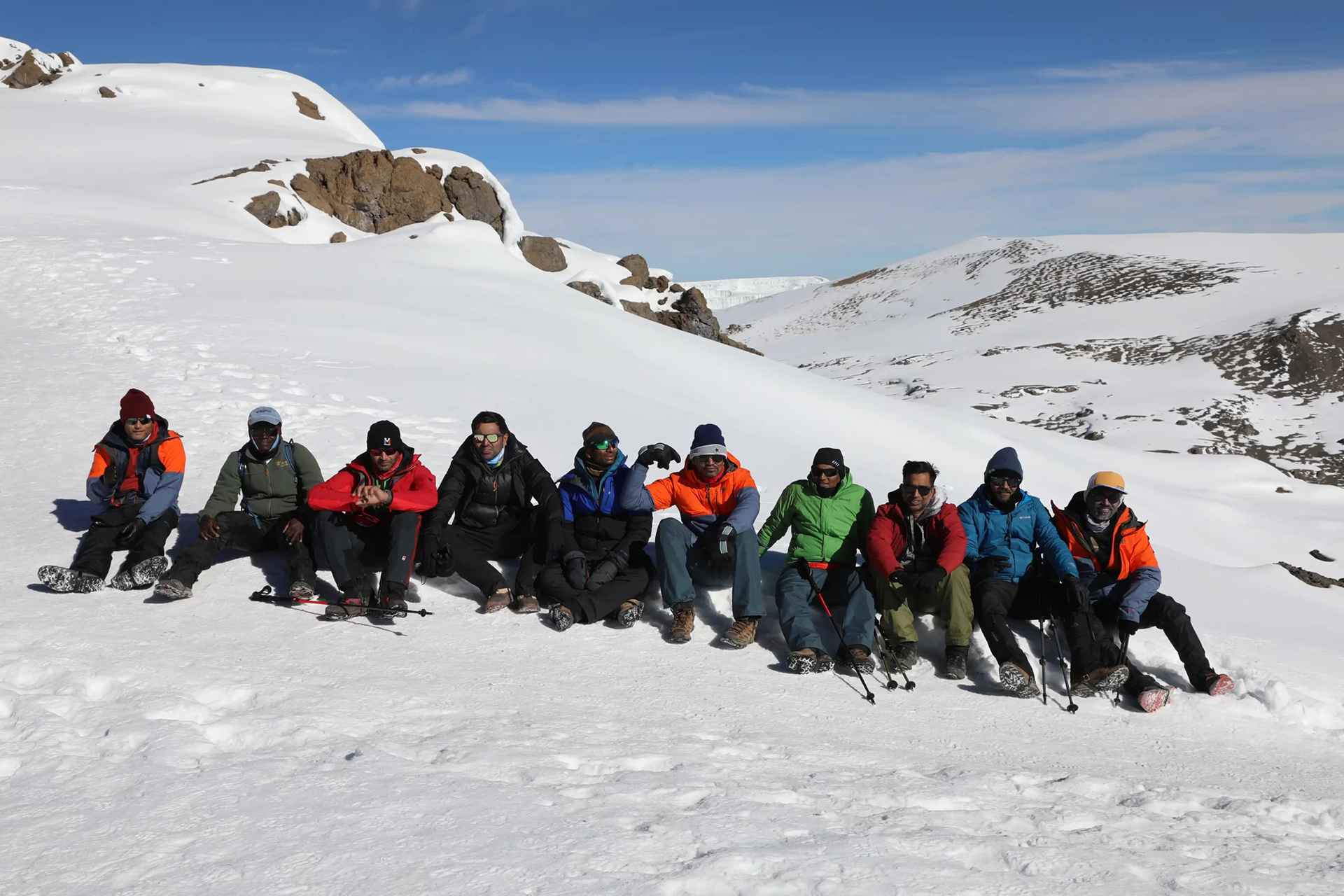
The Northern Circuit Route is the newest and longest route on Mount Kilimanjaro. Lasting eight to nine days, it circles around the quieter northern slopes of the mountain before approaching the summit.
This extended route offers exceptional 360-degree panoramic views and provides the best opportunity for proper acclimatization. Because climbers spend more time on the mountain, the Northern Circuit has one of the highest summit success rates of all Kilimanjaro routes.
The main challenge of this route is the longer duration, which requires greater stamina, endurance, and a larger travel budget. However, for climbers seeking a less crowded and highly scenic experience, the Northern Circuit is an outstanding choice.
Umbwe Route – The Most Challenging Path
The Umbwe Route is known as the steepest and most direct route to the summit of Mount Kilimanjaro. Because of its rapid ascent and limited acclimatization time, it is often considered the most difficult route.
Climbers attempting Umbwe typically complete the trek in five to six days, which significantly increases the risk of altitude sickness. The route demands strong physical fitness, mental resilience, and previous high-altitude trekking experience.
Although less crowded, Umbwe is recommended primarily for experienced climbers who are comfortable with steep terrain and demanding trekking conditions.

Key Factors to Consider When Choosing a Kilimanjaro Route
Selecting the right route is one of the most important decisions when planning a Mount Kilimanjaro climbing tour. Routes with gradual altitude gain, such as the Northern Circuit and Lemosho, generally provide better acclimatization and higher summit success rates.
Physical fitness is another important factor. Routes like Machame and Umbwe require stronger endurance and the ability to handle steep terrain. Climbers should also consider their available time and budget, as longer routes tend to be more expensive but offer better chances of reaching the summit safely.
At Nyayo Tours and Safaris, we help climbers choose the most suitable route based on their fitness level, travel schedule, and personal preferences.
Climb Kilimanjaro with Nyayo Tours and Safaris
Climbing Mount Kilimanjaro is a life-changing adventure that requires proper preparation, expert guidance, and the right support team. At Nyayo Tours and Safaris, our experienced mountain guides, professional porters, and carefully designed itineraries ensure that every climber enjoys a safe and rewarding journey to the Roof of Africa.
Whether you choose the scenic Lemosho Route, the adventurous Machame Route, or the quiet Rongai Route, we are here to help you achieve your dream of standing on Uhuru Peak.